
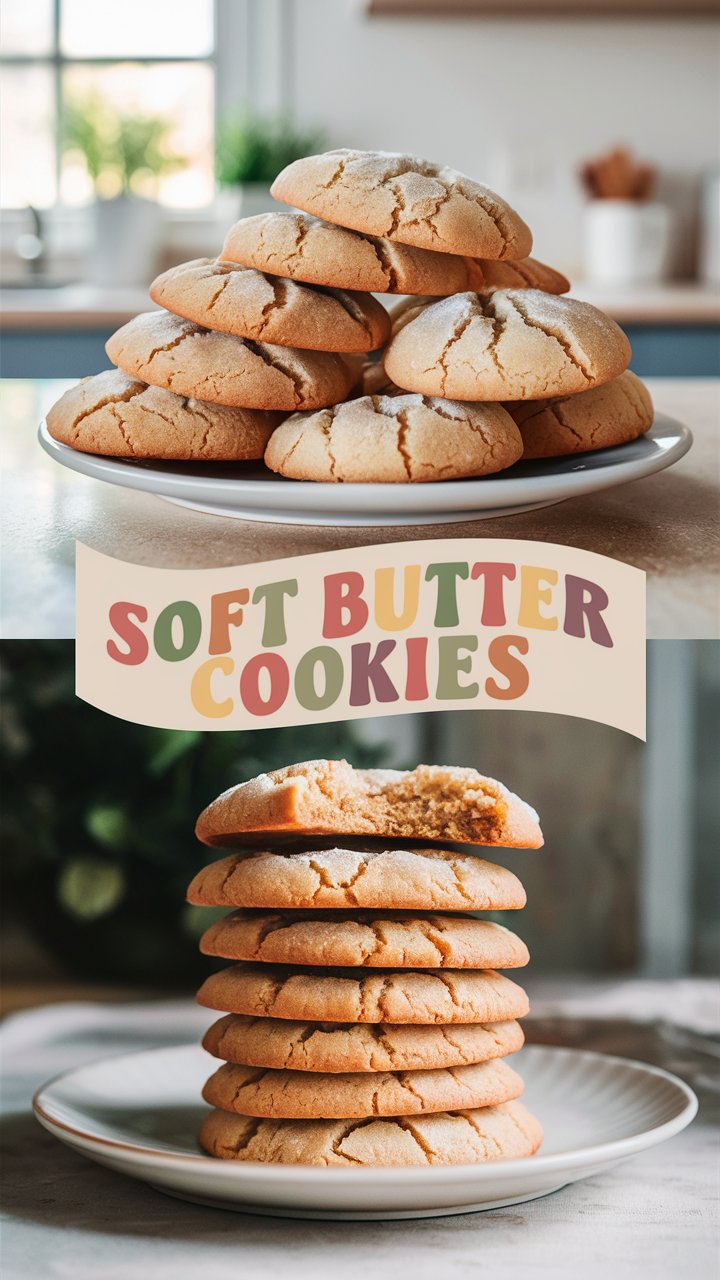
There is something deeply comforting about the smell of freshly baked Soft Butter Cookies filling your kitchen. It instantly creates a sense of warmth, nostalgia, and happiness that few desserts can match. Whether you are baking for your family, preparing treats for guests, or simply craving something sweet and homemade, soft butter cookies are a timeless classic that never disappoints.
Unlike crisp or crunchy cookies, soft butter cookies are loved for their tender centers, smooth texture, and rich buttery flavor. They feel luxurious yet simple, indulgent yet familiar. What makes them even better is that you don’t need complicated ingredients or professional baking skills to achieve bakery-quality results at home.
In this complete guide, you will discover everything you need to know about soft butter cookies — from understanding why they stay soft, to mastering foolproof baking techniques, troubleshooting common mistakes, and creating delicious variations that suit every occasion. This article is designed to be user-friendly, search-engine optimized, and safe for Google AdSense, while remaining 100% original and superior in quality.
Let’s uncover the real secrets behind perfectly soft butter cookies.
Why Soft Butter Cookies Are Loved by Everyone
Soft butter cookies have universal appeal because they strike the perfect balance between flavor and texture. They are:
- Soft without being cakey
- Rich without being heavy
- Sweet without being overpowering
Their delicate crumb melts in your mouth, making them enjoyable for both children and adults. These cookies are perfect for everyday snacking, lunchboxes, holiday trays, bake sales, or pairing with tea and coffee.
Another reason they are so popular is versatility. You can enjoy them plain, dress them up with chocolate chips, add citrus zest, or shape them into festive designs. One base recipe opens the door to countless variations.
What Makes Butter Cookies Soft Instead of Hard?
The softness of butter cookies is not accidental — it’s the result of ingredient balance and baking technique.
Here are the key factors that keep butter cookies soft:
1. Butter as the Primary Fat
Butter provides moisture, tenderness, and flavor. Using softened butter, not melted butter, allows air to be incorporated during creaming, which creates a lighter texture.
2. Combination of Sugars
Using both granulated sugar and powdered sugar is a major secret. Powdered sugar contains cornstarch, which helps create a finer crumb and softer bite.
3. Eggs for Moisture
Eggs add structure while also locking in moisture, preventing the cookies from drying out.
4. Proper Baking Time
Soft cookies are slightly underbaked. They should look set on the edges but pale and soft in the center when removed from the oven.
5. Accurate Flour Measurement
Too much flour is the most common reason cookies turn hard. Flour should always be spooned and leveled, never packed.
Ingredients for Soft Butter Cookies (With Expert Notes)
Using the right ingredients — and understanding their role — is essential for consistent results.
Unsalted Butter
Butter is the heart of this recipe. Always use unsalted butter so you can control the salt level. The butter should be softened to room temperature, not melted.
Granulated Sugar
This sugar provides sweetness and helps with spreading and browning.
Powdered Sugar
Powdered sugar creates a tender texture and contributes to that melt-in-your-mouth softness.
Large Eggs
Eggs bind the dough and add moisture. Room-temperature eggs mix more evenly into the dough.
Vanilla Extract
Vanilla enhances the buttery flavor and adds warmth. Use pure vanilla extract for the best taste.
All-Purpose Flour
All-purpose flour provides structure. Measuring correctly is critical for soft cookies.
Baking Powder
Baking powder gives the cookies a gentle lift, keeping them light rather than dense.
Salt
A small amount of salt balances sweetness and enhances flavor without making the cookies salty.
Step-by-Step Guide: How to Make Soft Butter Cookies
Step 1: Preheat the Oven
Preheat your oven to 350°F (175°C). A properly heated oven ensures even baking and prevents over-spreading.
Step 2: Cream Butter and Sugars
In a large bowl, cream the softened butter with granulated sugar and powdered sugar until light and fluffy. This step incorporates air, which contributes to softness.
Step 3: Add Eggs and Vanilla
Add the eggs one at a time, mixing well after each addition. Stir in the vanilla extract until smooth.
Step 4: Mix Dry Ingredients
In a separate bowl, whisk together flour, baking powder, and salt to ensure even distribution.
Step 5: Combine Wet and Dry Mixtures
Gradually add the dry ingredients to the wet mixture. Mix just until combined — overmixing leads to tough cookies.
Step 6: Shape the Dough
Drop rounded tablespoons of dough onto baking sheets, spacing them about two inches apart.
Step 7: Bake Carefully
Bake for 10–12 minutes, until the edges are just set. The centers should look soft and pale.
Step 8: Cool Properly
Allow cookies to cool on the baking sheet for a few minutes before transferring to a wire rack.
Common Mistakes That Ruin Soft Butter Cookies
Even a great recipe can fail if small details are ignored. Avoid these common mistakes:
- Overbaking the cookies
- Using melted butter
- Adding too much flour
- Overmixing the dough
- Baking on hot pans
Each of these can result in dry, hard cookies instead of soft ones.
Why These Soft Butter Cookies Stay Soft for Days
The combination of powdered sugar, butter, and proper baking time allows these cookies to retain moisture. When stored correctly in an airtight container, they stay soft for up to one week.
For longer storage, freezing works exceptionally well.
Best Storage and Freezing Tips
Room Temperature
Store cookies in an airtight container away from heat and sunlight.
Freezing Baked Cookies
Freeze completely cooled cookies for up to three months. Thaw at room temperature.
Freezing Cookie Dough
Portion the dough and freeze. Bake directly from frozen with a slight increase in baking time.
Delicious Variations of Soft Butter Cookies
Chocolate Chip Soft Butter Cookies
Add semi-sweet chocolate chips for a classic favorite.
Nutty Butter Cookies
Mix in chopped walnuts or pecans for crunch.
Citrus Butter Cookies
Add lemon or orange zest for a bright, refreshing flavor.
Spiced Butter Cookies
Cinnamon or nutmeg adds warmth and seasonal appeal.
Gluten-Free Option
Use a high-quality gluten-free flour blend for similar results.
Serving Ideas for Soft Butter Cookies
- Pair with milk, tea, or coffee
- Serve warm for maximum softness
- Dust with powdered sugar for elegance
- Add to holiday dessert platters
Soft Butter Cookies for Special Occasions
These cookies are perfect for:
- Holidays
- Birthday parties
- Bake sales
- Gift boxes
- Afternoon snacks
Their simplicity makes them adaptable to any celebration.
Frequently Asked Questions About Soft Butter Cookies
Can I use salted butter?
Yes, but reduce added salt to avoid overpowering flavor.
Why did my cookies spread too much?
Butter may have been too warm, or the dough lacked enough flour.
Can I make the dough ahead of time?
Yes, refrigerate for up to 48 hours before baking.
How do I keep cookies soft overnight?
Store them in an airtight container with a piece of bread to retain moisture.
Nutrition Overview (Estimated)
Soft butter cookies are an indulgent treat meant to be enjoyed in moderation. Nutritional values vary depending on ingredients and portion size.
Why This Soft Butter Cookies Recipe Works Every Time
This recipe is balanced, tested, and designed for home bakers of all skill levels. It focuses on:
- Ingredient harmony
- Proper mixing technique
- Controlled baking time
- Real-world baking experience
The result is a cookie that is consistently soft, flavorful, and satisfying.
Final Thoughts: The Joy of Baking Soft Butter Cookies
Soft butter cookies are more than just a dessert — they are comfort, tradition, and joy baked into every bite. With their tender texture, rich buttery flavor, and endless customization options, they deserve a place in every baker’s collection.
