
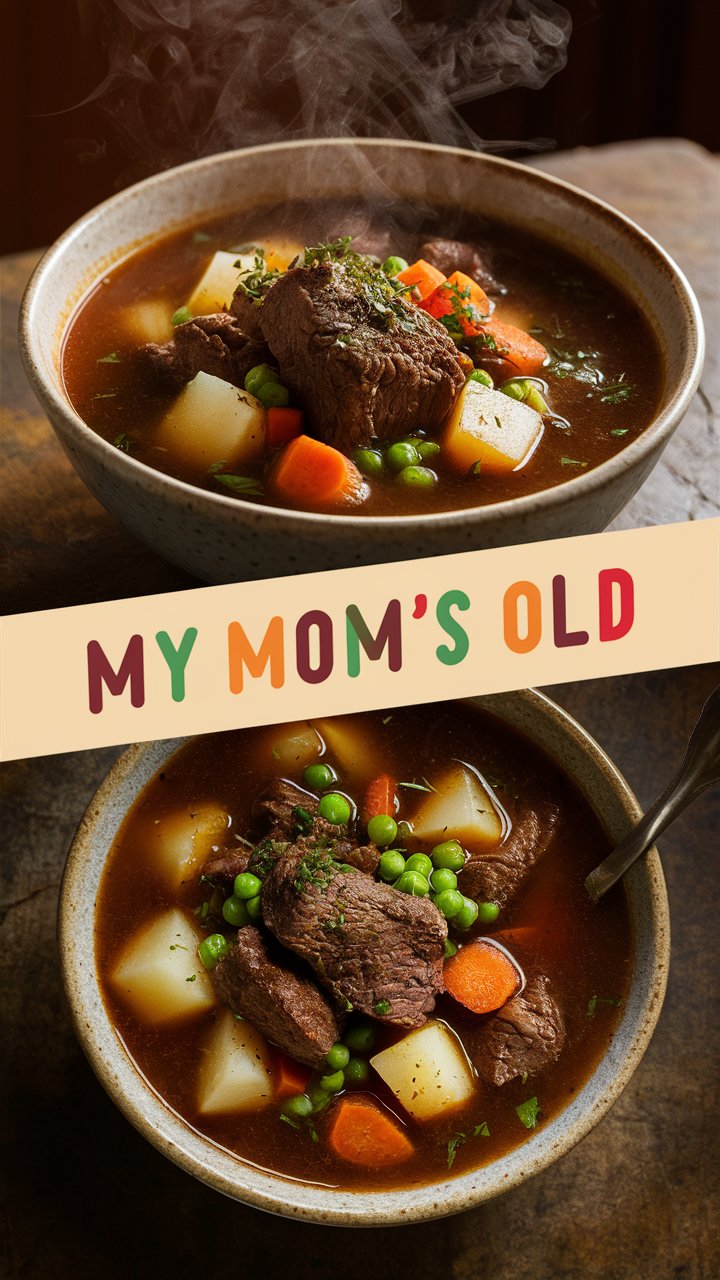
Few dishes can compete with the warmth, nourishment, and nostalgia of old-fashioned vegetable beef soup. This classic recipe has stood the test of time for good reason—it is hearty, nutritious, affordable, and deeply comforting. Whether simmering on a cold winter afternoon or prepared ahead for busy weekdays, this soup represents home cooking at its best.
This complete guide goes beyond a simple recipe. You’ll learn why this soup works, how to perfect it, how to adapt it to modern kitchens, and how to store, freeze, and serve it for maximum flavor. Every detail is written clearly, naturally, and professionally—so anyone, from beginner cooks to experienced home chefs, can succeed.
Why Old-Fashioned Vegetable Beef Soup Never Goes Out of Style
Old-fashioned recipes are built on simplicity and reliability. Vegetable beef soup originated as a practical way to stretch ingredients, reduce waste, and feed families with nourishing meals. Over generations, it became a staple in many households because it delivers:
- Balanced nutrition (protein, vegetables, and broth)
- Deep, slow-developed flavor
- Budget-friendly ingredients
- Comfort and familiarity
Unlike trendy soups that come and go, this recipe remains relevant because it adapts easily to what you already have in your kitchen.
What Makes This Vegetable Beef Soup Truly “Old-Fashioned”
An authentic old-fashioned vegetable beef soup is defined by method, not gimmicks.
Key characteristics include:
- Slow simmering for flavor development
- Simple seasoning without overpowering spices
- Chunky vegetables cut by hand, not processed
- Beef that becomes tender naturally over time
- A broth that tastes rich without cream or flour
This is not a rushed soup. It rewards patience and care.
The Heart of the Recipe: Choosing the Right Beef
The best vegetable beef soup starts with the right cut of meat. Tougher cuts are ideal because they break down during long cooking, becoming tender and flavorful.
Best Beef Cuts for Vegetable Beef Soup
- Chuck roast (most recommended)
- Beef stew meat
- Round steak (cut into cubes)
- Bottom round
Avoid lean cuts like sirloin—they dry out and lack depth.
Pro tip: Browning the beef properly before adding liquid creates a deeper, richer broth through caramelization.
Vegetables That Build Flavor and Texture
Vegetables are not fillers in this soup—they are essential.
Classic Vegetables Used
- Carrots – natural sweetness
- Potatoes – heartiness and body
- Green beans – freshness
- Corn – mild sweetness
- Peas – color and balance
- Onion – flavor base
- Garlic – depth and aroma
Each vegetable plays a role. Together, they create complexity without overwhelming the broth.
Why Broth Quality Matters More Than You Think
The broth is the backbone of this soup.
- Homemade beef broth delivers unmatched flavor
- High-quality store-bought broth works well if low-sodium
- Water balances richness without diluting flavor
Avoid overly salty or heavily seasoned broths—they limit your control over the final taste.
Seasoning the Traditional Way
Old-fashioned vegetable beef soup relies on restraint.
Traditional Seasonings
- Salt (added gradually)
- Black pepper
- Dried thyme
- Bay leaf
These seasonings enhance natural flavors rather than masking them.
Step-by-Step Cooking Method (Traditional Stovetop)
1. Brown the Beef
Heat a heavy-bottomed pot over medium heat. Add the beef in batches and brown thoroughly. This step builds flavor and should never be rushed.
2. Build the Flavor Base
Add chopped onions and garlic. Cook until soft and fragrant, scraping up browned bits from the pot.
3. Add Liquids
Pour in beef broth and water. Bring to a gentle boil.
4. Add Vegetables
Stir in carrots, potatoes, green beans, corn, and peas.
5. Season Carefully
Add salt, pepper, thyme, and bay leaf. Stir gently.
6. Simmer Slowly
Reduce heat to low. Cover partially and simmer for 1½ to 2 hours until beef is fork-tender.
7. Finish and Serve
Remove bay leaf. Adjust seasoning. Serve hot.
Why Slow Simmering Makes All the Difference
Slow cooking allows:
- Beef fibers to soften naturally
- Vegetables to release flavor without turning mushy
- Broth to develop body and depth
High heat shortens cooking time but sacrifices taste.
How to Adjust Thickness Without Ruining the Soup
Old-fashioned vegetable beef soup should be brothy, not watery.
Natural thickening methods:
- Mash a few potatoes into the broth
- Simmer uncovered for the final 20 minutes
- Let soup rest before serving (it thickens naturally)
Avoid flour or cornstarch—traditional soups don’t need them.
Slow Cooker Method (Hands-Off Comfort)
This soup adapts beautifully to a slow cooker.
Method:
- Brown beef and onions first
- Transfer to slow cooker
- Add remaining ingredients
- Cook on low for 6–8 hours or high for 3–4 hours
Flavor improves with time.
Make-Ahead and Meal Prep Friendly
Vegetable beef soup tastes even better the next day.
Benefits:
- Flavors deepen overnight
- Perfect for batch cooking
- Easy reheating
Store in airtight containers for best results.
Freezing Vegetable Beef Soup the Right Way
This soup freezes exceptionally well.
Freezing tips:
- Cool completely before freezing
- Use freezer-safe containers
- Leave space for expansion
- Freeze up to 3 months
Thaw overnight in the refrigerator for best texture.
Serving Suggestions That Complete the Meal
- Crusty bread or dinner rolls
- Side salad with vinaigrette
- Cornbread
- Simple buttered biscuits
These sides complement without overpowering the soup.
Nutritional Benefits of Vegetable Beef Soup
This soup offers balanced nutrition:
- Protein from beef
- Fiber from vegetables
- Vitamins A, C, and potassium
- Naturally gluten-free
It’s filling without being heavy.
Common Mistakes to Avoid
- Skipping the beef browning step
- Over-seasoning early
- Cooking vegetables too long
- Using low-quality broth
- Rushing the simmer
Small details make a big difference.
How to Customize Without Losing Tradition
You can adapt the soup while keeping its soul intact.
- Add tomatoes for brightness
- Use parsnips instead of potatoes
- Add barley for extra heartiness
- Swap green beans for cabbage
Keep changes minimal and purposeful.
Why This Soup Is Ideal for Families
- Kid-friendly flavors
- Easy to reheat
- Nutritious without forcing vegetables
- Affordable for large portions
It’s a practical solution for busy households.
Old-Fashioned Soup vs Modern Soups
| Feature | Old-Fashioned Soup | Modern Trendy Soups |
|---|---|---|
| Cooking time | Slow | Fast |
| Ingredients | Simple | Complex |
| Nutrition | Balanced | Often heavy |
| Cost | Budget-friendly | Expensive |
| Flavor | Deep & natural | Often masked |
Frequently Asked Questions
Can I use frozen vegetables?
Yes. Add them during the last 30 minutes of cooking.
Is vegetable beef soup gluten-free?
Naturally yes, if broth is gluten-free.
How long does it last in the fridge?
Up to 3–4 days when stored properly.
Can I make it without potatoes?
Yes. Use barley or beans instead.
Why This Recipe Works Every Time
- Balanced ingredients
- Proven cooking method
- Flexible but reliable
- Rooted in tradition
It’s designed to succeed, not impress temporarily.
The Emotional Power of Old-Fashioned Cooking
Food connects generations. Recipes like this carry stories, comfort, and identity. Making vegetable beef soup is not just cooking—it’s preserving tradition while nourishing the present.
Final Thoughts: A Soup That Truly Feels Like Home
Old-fashioned vegetable beef soup is more than a recipe. It’s a reminder that good food doesn’t need shortcuts, trends, or complexity. It needs care, patience, and honest ingredients.
