
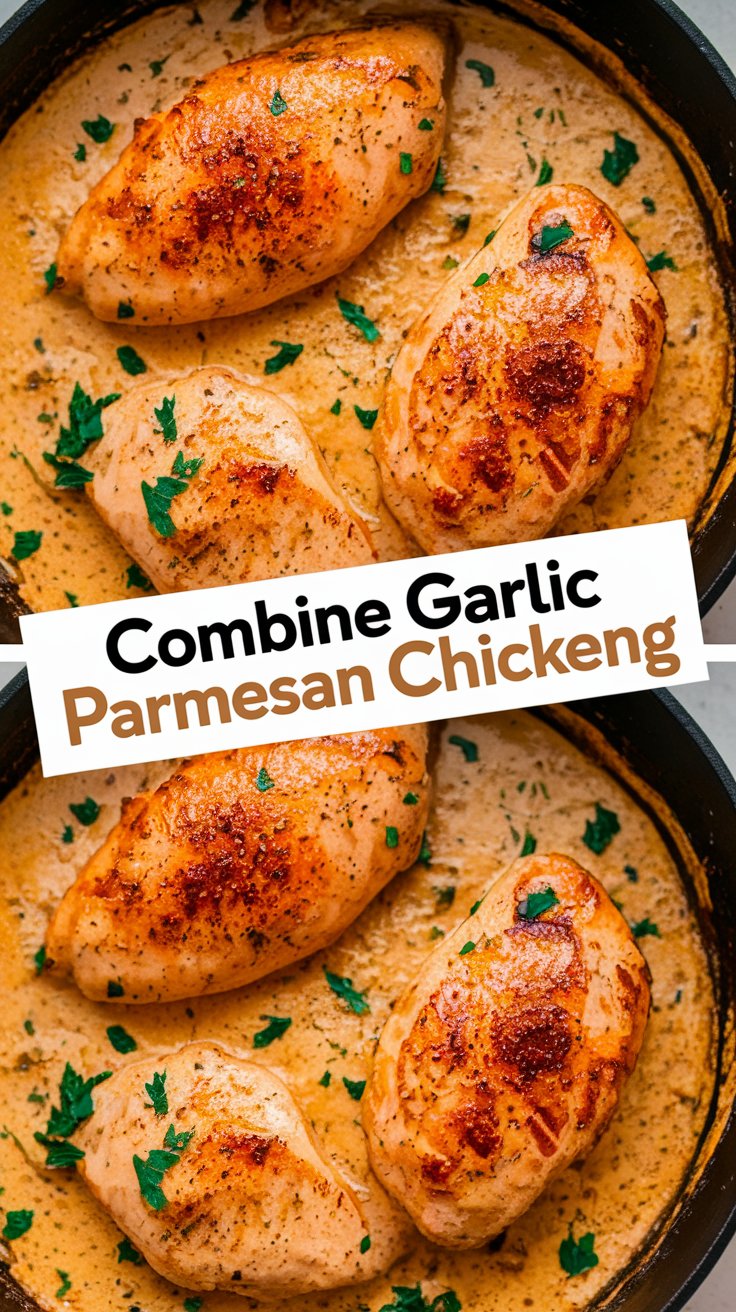
Creamy Garlic Parmesan Chicken is one of those universally loved dishes that combines approachable ingredients with luxurious flavor. It’s comforting yet refined, simple yet impressive. Whether you’re preparing a weeknight dinner or building a restaurant-quality meal for guests, this recipe delivers consistently outstanding results when executed correctly.
In this in-depth guide, you’ll learn not only how to make the best version of this recipe, but also why each step matters, the culinary science behind flavor development, and the professional techniques that elevate a simple chicken dish into something exceptional.
What Makes This the Best Creamy Garlic Parmesan Chicken?
Creating exceptional food requires more than simply combining ingredients. This recipe is built on classical cooking principles, modern culinary strategies, and a careful balance of flavor, texture, and aroma.
Here are the pillars that set this recipe apart:
1. Proper Browning Technique
Golden-browning chicken creates a Maillard reaction, the chemical process responsible for deep flavor development. Many recipes skip or rush this step — unfortunately weakening the final result. Here, browning is treated as a critical flavor-building stage.
2. Balanced Cream-to-Cheese Ratio
Too much cheese leads to a greasy or grainy sauce. Too much cream creates a thin or under-flavored result. This recipe uses a professional ratio that ensures:
- velvety texture,
- clean finish,
- stable sauce consistency.
3. Precise Garlic Treatment
Garlic can be sweet, nutty, or bitter depending on how it’s cooked. The method used in this recipe highlights garlic’s aromatic qualities without overpowering the sauce or burning.
4. Seasoning Layers
Professional cooking emphasizes seasoning throughout the process — not just at the end. This builds depth and ensures every bite is harmonious.
5. Versatility & Adaptation
This version is designed to work with multiple proteins, pastas, vegetables, and flavor variations without failing or splitting. It’s highly adaptable while still maintaining culinary integrity.
Ingredients Overview: Understanding the Role of Each Component
One hallmark of professional cooking is understanding why each ingredient is used. Here’s a breakdown of the main ingredients and what they contribute scientifically and aesthetically.
Boneless, Skinless Chicken Breasts
- Lean, neutral in flavor
- Acts as a protein canvas for the sauce
- Quick-cooking, ideal for searing
- Holds moisture when cooked at proper temperature
Olive Oil
Used for:
- achieving a golden sear
- preventing sticking
- enhancing aroma
Its flavor pairs naturally with Italian-style ingredients.
Garlic (Fresh Minced)
Garlic is the aromatic foundation. Fresh garlic is required because:
- powdered versions lack volatile oils
- fresh garlic caramelizes beautifully
- it infuses the cream and fat
Heavy Cream
Heavy cream is essential for:
- thickness
- gloss
- stability of sauce
- gentle sweetness to balance parmesan
Half-and-half is acceptable but produces a lighter, thinner sauce.
Parmesan Cheese (Freshly Grated)
Cheese quality changes everything. Fresh parmesan:
- melts more evenly
- tastes sharper and nuttier
- creates a smoother sauce
Pre-grated cheese contains anti-caking agents that prevent proper melting.
Italian Seasoning
Adds herbal complexity without overwhelming the primary flavors.
Salt + Pepper
Professional kitchens layer salt gradually to extract moisture and develop flavor. Pepper adds mild heat and aroma.
Fresh Parsley
Brightens the final dish visually and aromatically.
Step-by-Step Professional Method
Below is the refined technique used in restaurant environments to achieve the best possible version of this dish.
Step 1: Prepare and Dry the Chicken
Patting the chicken dry before cooking ensures:
- faster browning
- better texture
- reduced steaming effect
Lightly season both sides with salt and pepper.
Step 2: Heat Oil Correctly
Place olive oil in a stainless steel or cast iron skillet and heat until shimmering. The oil should not smoke, but it should be hot enough that the chicken immediately sizzles upon contact.
Professional Tip:
If oil is added to a cold pan, chicken absorbs more fat and browns poorly.
Step 3: Sear the Chicken
Cook each breast for 6–7 minutes per side. Avoid flipping repeatedly; let the crust develop naturally.
Correctly seared chicken should show:
- golden exterior
- even browning
- moisture retention
Remove the chicken and rest it on a warm plate.
Step 4: Sauté Garlic Gently
Add garlic to the existing chicken fond (flavor bits) in the pan.
Cook for 30–60 seconds only, stirring continuously. Garlic burns quickly and becomes bitter at 350°F (175°C), so control the heat.
The goal here is aroma — not color.
Step 5: Build the Cream Sauce
Add heavy cream and bring to a gentle simmer.
Simmering (NOT boiling) is crucial because boiling:
- breaks emulsions
- encourages splitting
- toughens dairy proteins
Stir in parmesan slowly on low heat. It should melt smoothly and thicken naturally.
Step 6: Reintroduce the Chicken
Return chicken to the skillet and spoon the sauce over it. Let it simmer for 2–3 minutes so the flavors fully integrate.
Professional Note:
This finishing simmer allows the protein fibers to relax and reabsorb moisture.
Step 7: Garnish and Serve
Top with fresh parsley or finely grated parmesan. Serve immediately for best texture and aroma.
Serving Recommendations (Professional-Level Pairing)
Below are culinary-balanced pairings to enhance your presentation:
Pasta Pairings
- Fettuccine
- Tagliatelle
- Linguine
- Pappardelle
Flat pastas hold creamy sauces exceptionally well.
Vegetable Pairings
- Sautéed spinach
- Roasted asparagus
- Steamed broccoli
- Zucchini ribbons
These add color balance and lighten the plate.
Carb Pairings
- Garlic mashed potatoes
- Parmesan risotto
- Creamy polenta
- Buttered rice
Bread Pairings
Serve with:
- rustic Italian bread
- ciabatta
- garlic knots
Ideal for capturing excess sauce.
Flavor Variations and Professional Twists
Here are chef-level variations that elevate the dish:
1. Mushroom Enhancement
Add sautéed cremini, shiitake, or porcini mushrooms before the cream for an earthy component.
2. White Wine Deglaze
A splash of dry white wine (such as Pinot Grigio) deepens complexity.
3. Spinach & Artichoke Addition
Inspired by classic dips, this creates a rich and vibrant texture.
4. Sun-Dried Tomato Version
Adds tang, color, and Mediterranean flair.
5. Spicy Note
A pinch of red pepper flakes cuts through richness beautifully.
Common Mistakes to Avoid
❌ Overcooking the chicken
Results in dry texture. Use a thermometer (165°F / 74°C internal temp).
❌ Boiling the cream
Causes splitting and grainy texture.
❌ Using pre-shredded parmesan
Prevents smooth melting.
❌ Not allowing chicken to rest
Loses juices prematurely.
❌ Adding garlic too early
Leads to bitterness.
FAQ — Professional Insights
Can I substitute with chicken thighs?
Yes — thighs retain more moisture and offer deeper flavor. Adjust cooking time slightly.
Can I make this ahead?
Yes, but reheat gently to avoid breaking the sauce.
Can I freeze it?
Cream-based sauces do freeze, but texture may slightly change. Add a splash of cream when reheating.
How do I lighten the recipe?
Use half-and-half, reduce cheese slightly, or increase vegetable ratio.
Conclusion: Why This Recipe Truly Stands Out
This Creamy Garlic Parmesan Chicken recipe isn’t just delicious — it’s technically sound, professionally structured, and designed for consistency. Its depth of flavor comes from proper browning, controlled cream emulsification, balanced seasoning, and the interplay of aromatics and textures.
Whether you’re a home cook or an aspiring chef, this recipe represents a master class in transforming simple ingredients into a polished, restaurant-quality meal.
