
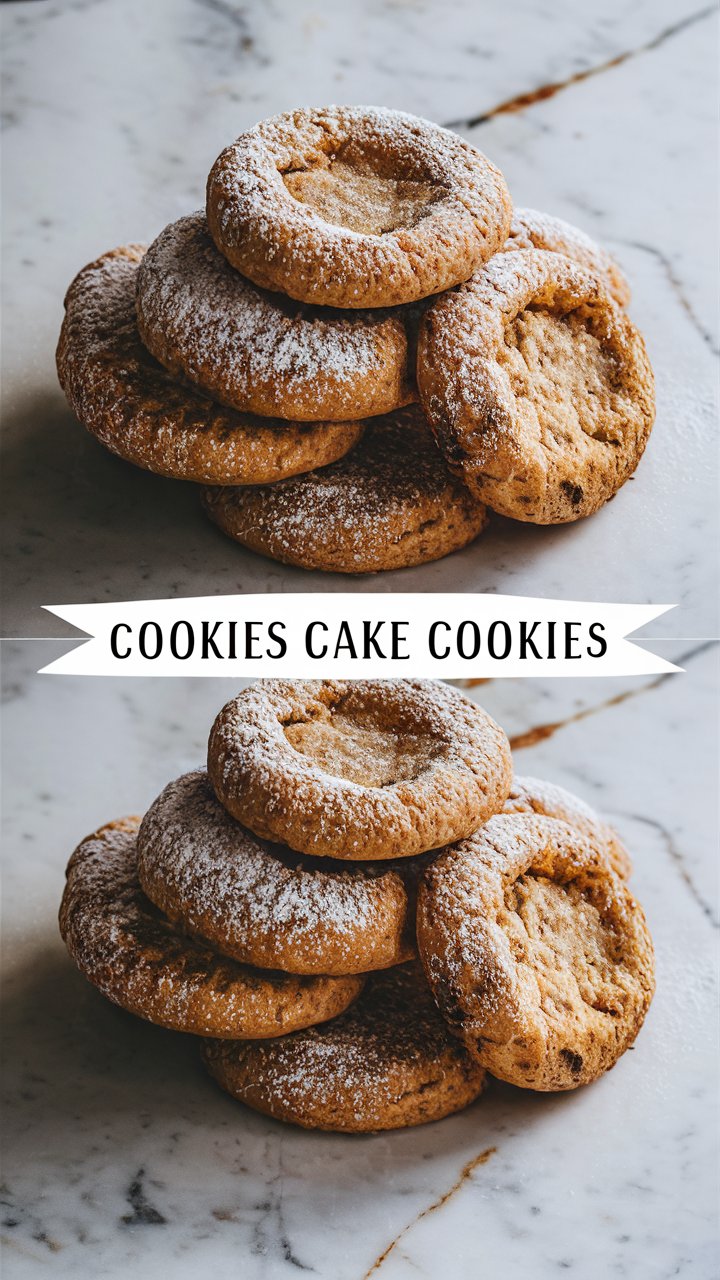
Coffee cake cookies bring together the best of two beloved desserts: the comforting warmth of classic coffee cake and the convenience of a soft, bakery-style cookie. These cookies are tender, lightly spiced, and topped with a cinnamon crumble that melts into every bite. They are perfect for busy mornings, relaxed afternoons, or anytime you crave something cozy without committing to a full cake.
Unlike traditional cookies that focus on crisp edges or chewy centers, coffee cake cookies are intentionally soft and cake-like, making them ideal for pairing with coffee or tea. This recipe is designed for home bakers of all skill levels and focuses on simplicity, balance, and reliable results, without unnecessary ingredients or complicated steps.
This guide walks you through everything you need to know—from ingredient choices and baking tips to variations, storage, and serving ideas—so you can confidently bake cookies that taste homemade, comforting, and genuinely special.
Why Coffee Cake Cookies Are So Popular
Coffee cake cookies have grown in popularity because they solve a common baking problem: wanting the flavor of coffee cake without the time, slicing, or serving mess.
Here’s why people love them:
- They deliver classic coffee cake flavor in a handheld form
- No special pans or decorating skills required
- Faster to bake than a full cake
- Perfect for small households or quick treats
- Ideal for breakfast, brunch, or dessert
Their soft texture and crumb topping make them feel indulgent, yet familiar. They are especially popular during fall and winter but work beautifully year-round.
What Makes These Coffee Cake Cookies Different
Many cookie recipes rely heavily on sugar or butter for flavor. Coffee cake cookies focus on balance instead. The sweetness is gentle, the spice is warm but not overpowering, and the texture is tender rather than dense.
What sets this recipe apart:
- Uses brewed coffee for natural depth instead of artificial flavoring
- Includes a true streusel topping, not just cinnamon sugar
- Maintains moisture without being greasy
- Designed to stay soft for days
Every element has a purpose, resulting in cookies that taste thoughtfully made rather than rushed.
Ingredients Overview and Baking Purpose
Understanding why each ingredient matters helps you bake with confidence and adjust when needed.
Dry Ingredients
All-purpose flour
Provides structure while keeping the cookies soft. Measuring accurately is important to avoid dryness.
Baking powder and baking soda
Work together to create lift and tenderness. The combination ensures the cookies rise gently without becoming fluffy like cake.
Salt
Balances sweetness and enhances flavor without making the cookies taste salty.
Wet Ingredients
Unsalted butter (softened)
Creates richness and tenderness. Softened butter blends smoothly, trapping air for a lighter texture.
Granulated sugar
Sweetens the dough and helps create a soft crumb.
Brown sugar
Adds moisture and a subtle caramel note that complements the cinnamon topping.
Egg
Binds ingredients and adds structure while maintaining softness.
Vanilla extract
Rounds out the flavor and enhances the sweetness naturally.
Brewed coffee (cooled)
Adds depth and warmth. Coffee strengthens the flavor without making the cookies bitter.
Streusel Topping
Brown sugar and cinnamon
Create the classic coffee cake flavor profile.
Chopped nuts (optional)
Add texture and richness. Walnuts or pecans work best, but they can be omitted.
How to Make Coffee Cake Cookies Step by Step
This method is straightforward and forgiving, making it ideal for both beginners and experienced bakers.
Step 1: Prepare Your Oven and Baking Sheet
Preheat the oven to 350°F (175°C). Line a baking sheet with parchment paper or a silicone baking mat to prevent sticking.
Step 2: Mix the Dry Ingredients
In a bowl, whisk together flour, baking powder, baking soda, and salt. This ensures even distribution and consistent texture.
Step 3: Cream Butter and Sugars
In a separate bowl, beat softened butter with granulated sugar until light and creamy. This step adds air, which helps keep the cookies tender.
Step 4: Add Egg and Vanilla
Mix in the egg and vanilla extract until fully incorporated and smooth.
Step 5: Combine with Coffee and Dry Ingredients
Add the dry ingredients gradually, alternating with cooled brewed coffee. Mix gently until just combined to avoid overworking the dough.
Step 6: Prepare the Streusel
In a small bowl, combine brown sugar, cinnamon, and chopped nuts if using. The mixture should be crumbly, not wet.
Step 7: Shape and Top the Cookies
Scoop dough onto the prepared baking sheet, leaving space between each cookie. Sprinkle streusel generously on top.
Step 8: Bake
Bake for 12–15 minutes, or until the edges are set and lightly golden. The centers should remain soft.
Step 9: Cool Properly
Allow cookies to rest on the baking sheet for a few minutes before transferring to a wire rack. This helps them set without drying out.
Common Mistakes and How to Avoid Them
Even simple recipes can go wrong without small adjustments.
Overmixing the dough
This leads to dense cookies. Mix only until ingredients are combined.
Using hot coffee
Warm liquid can melt butter and affect texture. Always cool coffee first.
Overbaking
Coffee cake cookies should look slightly underdone in the center when removed from the oven.
Incorrect butter temperature
Butter that is too soft or melted changes the structure of the dough.
Flavor Variations to Try
One of the strengths of this recipe is how adaptable it is.
Cinnamon Vanilla Boost
Add a pinch of nutmeg or cardamom to enhance warmth.
Chocolate Chip Coffee Cake Cookies
Fold in semi-sweet chocolate chips for a richer dessert version.
Nut-Free Option
Simply omit nuts from the streusel for a smoother texture.
Espresso Intensity
Replace brewed coffee with espresso for a bolder flavor.
Fruit Accent
Add a small amount of dried cranberries or raisins for contrast.
How to Serve Coffee Cake Cookies
These cookies are versatile and fit many occasions.
- Serve warm with morning coffee
- Pair with tea for afternoon breaks
- Add to brunch spreads
- Offer as a casual dessert
- Package as edible gifts
Their soft texture makes them easy to enjoy without crumbs or mess.
Storage and Freshness Tips
Room Temperature
Store in an airtight container for up to 7 days.
Freezing Baked Cookies
Freeze in a sealed container for up to 3 months. Thaw at room temperature.
Freezing Dough
Scoop dough portions and freeze. Bake directly from frozen with 1–2 extra minutes.
Nutrition Transparency
These cookies are a treat meant to be enjoyed in moderation.
- Calories come mainly from carbohydrates and fats
- Portion-controlled size helps prevent overindulgence
- Can be adjusted with reduced sugar or alternative flours
Nutrition values are estimates and may vary depending on ingredients used.
Frequently Asked Questions
Can I make these cookies without coffee?
Yes. You can substitute milk or water, though the coffee flavor will be milder.
Are coffee cake cookies sweet?
They are gently sweet, not overly sugary, making them suitable for breakfast-style treats.
Why are my cookies dry?
Dry cookies usually result from too much flour or overbaking.
Can I chill the dough?
Yes. Chilling improves flavor and reduces spreading, but it’s optional.
How are these different from coffee cake muffins?
Cookies are denser and handheld, while muffins are fluffier and require liners or pans.
Why This Recipe Works for Home Bakers
This recipe was designed with real kitchens in mind—not professional bakeries. It uses common pantry ingredients, flexible techniques, and realistic timing. The result is a reliable cookie that feels homemade and comforting every time.
Final Thoughts: A Cookie Worth Baking Again and Again
Coffee cake cookies are more than just a dessert—they’re a comforting experience. They bring together warmth, softness, and familiar flavors in a way that feels effortless yet special. Whether you’re baking for family, guests, or yourself, these cookies offer a dependable, satisfying result without stress.
